Cultural immersion is a powerful way to travel deeper by moving beyond surface-level sightseeing and engaging fully with the local community. It involves participating actively in customs, traditions, language, and daily life to gain a richer and more authentic understanding of a destination. This approach helps travellers connect meaningfully with people and places, creating more memorable and insightful experiences.
Travellers who embrace cultural immersion seek out local festivals, practice the language, and explore everyday life rather than just following tourist trails. By stepping into the routines and values of a community, they uncover perspectives and stories that simply cannot be found in guidebooks or selfies.
The process invites a shift from observing a culture to becoming a part of it, encouraging curiosity and respect. This article explores practical ways to achieve genuine cultural immersion, helping travellers create deeper connections and lasting memories during their journeys.
Understanding Cultural Immersion
Cultural immersion involves more than visiting landmarks; it requires engaging with local ways of life and customs. The process offers tangible benefits and challenges that travellers must navigate to gain authentic experiences.
Definition of Cultural Immersion
Cultural immersion means actively participating in the daily life, traditions, and social practices of a community. It goes beyond sightseeing, encouraging travellers to learn languages, join local events, and observe customs firsthand. This approach allows individuals to experience culture as insiders, not just observers.
It often includes staying in homestays, attending workshops, or volunteering locally. These actions create meaningful connections and a deeper understanding of the community’s values and history.
Benefits of Immersive Travel
Immersive travel provides enriched perspectives that simple tourism cannot. Travellers develop empathy by witnessing different lifestyles and worldviews closely. This can lead to more respectful cross-cultural interactions and lasting memories.
Additionally, immersion fosters language skill growth, enhances adaptability, and offers unique experiences like traditional festivals or culinary practices. These elements contribute to a fuller, more authentic travel experience that stays with the traveller long after their return.
Overcoming Cultural Barriers
Travellers often face challenges such as language differences, social norms, or unfamiliar customs. Patience and openness are essential to navigate these barriers effectively.
Learning basic local phrases and researching cultural etiquette beforehand can reduce misunderstandings. Showing respect, asking questions thoughtfully, and being ready to adapt behaviour helps build trust and deeper connections in the host community.
Preparing for Authentic Cultural Experiences
Understanding the culture before arrival allows travellers to engage meaningfully and avoid misunderstandings. Familiarity with local traditions, language basics, and etiquette improves respect and connection with the community.
Researching Local Traditions
Gathering information on local customs, festivals, and values is essential. Travellers should identify significant cultural events or practices relevant to their travel dates to respectfully participate or observe.
Using reliable sources such as books, documentaries, and local websites provides accurate insights. Contacting cultural centres or locals online can offer a direct perspective on traditions.
Awareness of the origins and meaning behind customs helps avoid unintentional disrespect. It also enhances the travel experience by providing a deeper context for what might otherwise seem unfamiliar.
Learning the Basics of the Local Language
Mastering common phrases and greetings is a practical step to show respect. Keywords related to politeness, directions, and food enhance daily interactions.
Language learning apps or phrasebooks tailored to cultural nuances prepare travellers for real conversations. Pronunciation matters; even small efforts are generally appreciated.
Knowing basic language helps in understanding signs, menus, and conversations. It reduces dependence on translators and fosters genuine engagement with locals.
Cultural Etiquette and Social Norms
Respecting social customs such as dress codes, gestures, and behaviour is crucial. Observing how locals interact in public spaces can guide appropriate conduct.
Different cultures have unique practices around eye contact, personal space, and gift-giving. Ignorance of these can create awkward or offensive situations.
Prioritising politeness, patience, and listening is often more valued than fluent language skills. Travellers should prepare to adapt quickly and ask questions respectfully when unsure.
Engaging With Local Communities
Engaging with local communities requires active participation, building genuine connections, and contributing meaningfully. This approach goes beyond observation, encouraging travellers to take part in daily life, traditions, and community efforts. It fosters a deeper understanding and respect for local culture.
Participating in Community Events
Attending local festivals, markets, and ceremonies offers valuable insight into traditions and social values. Travellers should seek out events that are authentic and meaningful to locals, rather than tourist-oriented spectacles.
Participation includes respecting event protocols, dressing appropriately, and learning the significance behind customs. Engaging fully might mean joining in traditional dances, sampling local food, or observing rituals quietly.
Such experiences create opportunities to connect with residents in their setting, providing a richer perspective on the community’s identity and heritage.
Building Meaningful Relationships
Forming relationships with locals starts with open, respectful communication. Learning basic phrases in the local language demonstrates effort and openness.
Spending time in communal spaces, like cafés or neighbourhood centres, helps establish trust and informal interactions. Listening actively to personal stories and local perspectives enriches the travel experience.
Travellers should prioritise quality over quantity, focusing on sustained connections rather than fleeting encounters. Respecting cultural boundaries and social norms is essential to maintaining these relationships.
Volunteering and Giving Back
Volunteering offers a practical way to support the host community while gaining immersive experiences. Choosing projects aligned with local needs is vital to ensure a positive impact.
Common opportunities involve teaching, environmental conservation, or community development. Volunteers should commit adequate time to avoid superficial involvement and work alongside local organisers.
By contributing skills and labour, travellers create reciprocal benefits, enhancing cultural exchange and leaving a tangible, respectful legacy.
Exploring Through Local Cuisine and Food Culture
Engaging with local cuisine offers a direct way to connect with a destination’s history and traditions. Travellers can learn about a culture’s identity by experiencing its food in authentic settings, cooking methods, and marketplaces.
Dining at Local Establishments
Eating at neighbourhood eateries or traditional restaurants lets travellers sample authentic dishes prepared by locals. These venues often use family recipes passed down through generations, providing a taste of regional flavours unavailable in tourist-focused venues.
Selecting smaller, family-run businesses or street stalls can reveal unique spices or cooking techniques tied to cultural heritage. Observing dining customs, such as meal pacing and communal eating, also deepens cultural understanding.
Taking Cooking Classes
Participating in cooking classes allows travellers to learn traditional recipes and techniques firsthand. These experiences often include visits to local markets for ingredient selection, providing context on regional produce.
Classes promote cultural exchange by connecting travellers directly with local instructors who share stories behind each dish. This hands-on approach deepens culinary skills and appreciation for local food customs, enhancing the travel experience beyond mere tasting.
Visiting Markets and Food Fairs
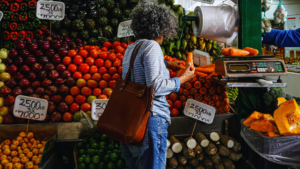
Exploring local markets and food fairs exposes travellers to fresh, native ingredients and artisanal products. Markets serve as cultural hubs where locals gather, exchange stories, and uphold traditions.
Food fairs often showcase a variety of regional specialities, enabling visitors to compare flavours and preparation styles. Attention to seasonal produce and local craftsmanship offers insight into the community’s relationship with its environment.
Immersing Yourself in Arts and Traditions
Engaging directly with a destination’s creative expressions and customary practices brings a deeper insight into its culture. Participating in festivals, mastering traditional crafts, or appreciating local music provides tangible connections to the community’s heritage.
Attending Cultural Festivals
Cultural festivals showcase the heart of local traditions through rituals, dances, costumes, and communal celebrations. Attending these events allows travellers to witness authentic expressions of identity and shared history.
It is important to approach festivals with respect and openness. Observing local customs, such as dress codes or ritual participation, enhances the experience and fosters goodwill. Festivals often follow a calendar rooted in religious or agricultural cycles, so planning travel around these times is beneficial.
Photographing during festivals is common, but should be done considerately, asking permission when possible. Engaging with locals during these gatherings encourages meaningful dialogue and a better understanding of the cultural significance behind each event.
Learning Traditional Crafts
Taking classes or workshops in traditional arts such as pottery, weaving, or carving enables travellers to appreciate the skills and patience involved. These hands-on experiences offer a direct link to the artisans’ ways of life and the continuity of cultural knowledge.
Selecting reputable workshops or artisan-led activities ensures authenticity. Learning these crafts also supports local communities financially and culturally, helping preserve endangered techniques.
The process of creating something tangible deepens respect for the culture’s history and aesthetic values. Even basic participation fosters connection beyond observation, transforming visitors into active contributors to the cultural exchange.
Exploring Local Music and Performance
Local music and performing arts tell stories of a community’s past and present through sound, movement, and expression. Experiencing traditional performances in authentic settings can reveal the emotional and social fabric of a culture.
Attending concerts, theatre, or dance performances by local artists introduces travellers to diverse genres and instruments unique to the region. Participation, such as joining a dance circle or singing along, when welcomed, enhances immersion.
Understanding the contexts of these performances—whether ritual, celebratory, or storytelling—gives deeper meaning to the experience. Travellers should seek opportunities to engage with performers to learn about symbolism, history, and technique for a well-rounded perspective.
Staying With Locals
Staying with locals offers a direct window into everyday life and traditions. Immersing oneself in a local household or rural setting encourages authentic interactions beyond typical tourist experiences.
Homestays and Guesthouses
Homestays provide travellers with the opportunity to live in a local family’s home. Guests often participate in daily routines, from cooking traditional meals to joining family events. This setting fosters personal connections and a deeper appreciation of cultural customs.
Boutique guesthouses, run by locals, offer a more intimate alternative to hotels. They often feature local design and personalised service, creating a unique atmosphere. Staying in such places supports local economies while providing an authentic perspective on regional life.
Both options usually reveal nuances of language, food and social customs that remain hidden in more commercial accommodations.
Farm Stays and Rural Experiences
Farm stays place travellers in agricultural environments where they can engage with farming activities. Tasks might include tending animals, harvesting crops or learning traditional crafts. This hands-on approach gives insight into rural livelihoods and seasonal cycles.
Rural experiences often involve living in villages or remote areas, far from urban centres. These stays expose guests to community festivals, local markets, and ancestral practices. They promote understanding of local ecology and heritage through everyday interactions.
Such experiences combine practical learning with cultural exchange, making them valuable for those seeking to connect with land and people directly.
Navigating Challenges in Cultural Immersion
Cultural immersion requires more than enthusiasm; it demands awareness of emotional and social challenges. Effectively managing unfamiliar feelings, recognising local limits, and resolving communication issues are vital for a meaningful experience.
Managing Culture Shock
Culture shock occurs when unfamiliar customs, language, or social norms overwhelm a traveller. It often brings feelings of disorientation, frustration, or loneliness. Recognising these signs early helps minimise their impact.
To manage culture shock, adapting gradually is key. Establish regular routines, like meal times or daily walks, to create a sense of normality. Learning basic local phrases before arrival also eases communication hurdles.
Maintaining contact with friends or family can provide emotional support. However, balancing this with genuine local engagement prevents isolation. Accepting cultural differences rather than judging them mitigates stress and promotes positive adjustment.
Respecting Boundaries
Respecting personal and cultural boundaries is crucial when engaging deeply with local communities. Not all customs or traditions will be open to outsiders, and pushing too far can cause offence or mistrust.
Before participating in ceremonies or private gatherings, travellers should seek permission or guidance from hosts. Observing how locals behave in various social settings offers clues about acceptable conduct.
Being mindful of sensitive topics, such as religion or politics, prevents unnecessary conflicts. When uncertain, adopting a polite, listening attitude shows respect and fosters goodwill. Physical gestures, like handshakes or eye contact, vary widely and should be approached cautiously.
Handling Misunderstandings
Misunderstandings are common due to language barriers and diverse communication styles. Such moments require patience and clarity rather than frustration.
When confusion arises, asking simple, direct questions can clarify intent. Using non-verbal communication like gestures or pictures often supports understanding. It is advisable to confirm important details rather than assume.
If a mistake causes offence, acknowledging it sincerely helps rebuild trust. Showing openness to learn from errors encourages locals to be more forgiving and supportive. Remaining calm and respectful during conflicts promotes resolution and deeper connections.
Sustaining Cultural Connections After Your Trip
Building lasting ties beyond travel enhances understanding and respect for the culture experienced. It requires effort to nurture relationships and share stories thoughtfully without reducing complex cultures to stereotypes.
Maintaining International Friendships
Keeping in touch with new friends abroad depends on consistent communication and genuine interest. Using messaging apps or social media helps maintain dialogue, but meaningful connections thrive when conversations go beyond surface-level greetings.
Sharing updates about daily life, asking questions about their local customs, and remembering important dates such as holidays or personal milestones shows care and respect. It is beneficial to avoid assumptions based on one visit; cultures and individuals evolve over time.
Regular exchanges can lead to collaborative projects or invitations to visit again, deepening the cultural bond. Patience is key, as differences in time zones and schedules may slow responses without indicating disinterest.
Sharing Experiences Responsibly
When recounting cultural encounters, accuracy and sensitivity are essential. He or she should avoid exaggeration or exoticism that can misrepresent the people and traditions encountered.
Focusing on personal feelings and reflections allows storytelling without claiming authority over a culture’s meaning. It is helpful to credit the hosts or communities who shared their lives and to respect any wishes about privacy or sacred practices.
Using social media or blogs as platforms demands mindfulness. Visuals should be chosen carefully, with permission wherever possible. Balanced narratives prevent reinforcing clichés or reducing complex experiences to entertainment.
Presenting travel stories this way fosters curiosity and respect in others, encouraging responsible cultural engagement beyond the trip itself.
Ethical Considerations for Cultural Immersion
Ethical cultural immersion requires respect for the host community’s traditions and values. Travellers must recognise they are guests, not observers, and act accordingly.
Key practices include seeking explicit permission before photographing sacred events or individuals. This respects privacy and cultural boundaries.
Fair compensation is essential when local experts share their knowledge or skills. It supports the community economically and values their contributions.
Respect for cultural practices that are closed or restricted ensures local customs are protected. Ignoring these limits can cause harm or offence.
Environmental and social impacts also matter. Minimising disruption and supporting local economies through responsible spending helps preserve the destination.
| Ethical Practice | Description |
| Permission for Photography | Always ask before capturing images of ceremonies or people |
| Fair Compensation | Pay fairly for guided experiences and local expertise |
| Respect Boundaries | Honour closed cultural practices without intrusion |
| Support Local Economy | Buy local products and services to benefit the community |
| Minimise Impact | Reduce environmental footprint and avoid behaviours harmful to locals |
Ethical awareness transforms travel from mere observation to meaningful interaction. It fosters mutual respect and enriches the experience for both travellers and hosts.