The art of travel photography is more than just pointing and shooting; it is about capturing the essence of a place and telling stories through images. A skilled travel photographer knows how to blend technical expertise with an artistic vision, creating photographs that evoke emotion and wonder. Mastering this craft can elevate any journey, enabling the photographer to document experiences in a way that resonates with viewers.
For those aspiring to become professional travel photographers, understanding composition, lighting, and the cultural context of their subjects is essential. A well-crafted travel photography guide can provide invaluable insights into techniques and approaches that enhance the storytelling aspect of photography. By learning to observe surroundings more thoughtfully, photographers can transform fleeting moments into lasting memories.
Whether one is capturing hidden gems in bustling cities or serene landscapes off the beaten path, travel photography offers a unique opportunity for creative expression. Engaging with the art form not only enriches personal adventures but also allows individuals to share their experiences in a visually compelling manner.
Understanding the Basics of Travel Photography
To create striking travel photographs, one must grasp essential camera settings, composition techniques, and the impact of lighting. Each facet plays a vital role in elevating the quality of images captured during travels.
Mastering Camera Settings
Understanding camera settings is crucial for achieving the desired exposure and clarity.
- Aperture: A wider aperture (lower f-number) lets in more light, creating a blurred background effect, which is ideal for portraits or close-ups.
- Shutter Speed: A faster shutter speed freezes motion, which is beneficial for capturing action scenes. Slower speeds can convey movement, such as flowing water or bustling streets.
- ISO: Adjusting the ISO boosts sensitivity to light. He should use a low ISO in bright conditions and increase it in low light.
Experimenting with these settings allows photographers to discover their preferred styles while adapting to varying circumstances.
Composition Techniques
Composition significantly enhances visual storytelling in photography.
- Rule of Thirds: By dividing the frame into a 3×3 grid, he can place focal points at intersections or along lines to create balance.
- Leading Lines: Natural lines in the environment can guide the viewer’s eye towards the main subject. This technique helps create depth and perspective.
- Framing: Using elements like doorways or arches to frame the subject draws attention and adds interest.
Incorporating these techniques leads to more engaging and well-composed photographs.
Light and Its Influence
Lighting is perhaps the most critical element in photography.
- Natural Light: Soft, diffused light during golden hours (early morning or late afternoon) enhances colour and texture. He should avoid harsh midday sun, which can create unflattering shadows.
- Artificial Light: When photographing indoors or in low-light conditions, knowing how to control artificial light sources is key. Using bounce flash or diffusers can soften harsh lighting.
- Shadows and Highlights: Understanding how to work with shadows can add drama and depth, enhancing the overall impact of the image.
Sentiments conveyed through different lighting conditions can transform an ordinary scene into an extraordinary one.
The Heart of Travel Photography: Subjects and Stories
At the core of travel photography lies the intersection of subjects and stories. Capturing the essence of a place through its people, landscapes, and everyday scenes conveys the unique narrative of a destination.
Portraiture on the Go
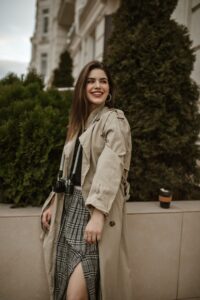
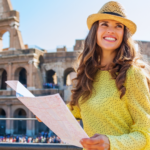
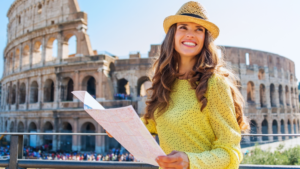
Photographing people offers a window into the culture and personality of a location. In this realm, capturing candid moments is crucial. A genuine smile in a bustling market or a contemplative expression at a scenic viewpoint tells a story beyond mere visuals.
Focusing on detail can enhance a portrait. The texture of a weathered face, the vibrant colours of traditional clothing, or the energy of a child at play can all create compelling images. Using natural light often lends authenticity, highlighting features without distracting shadows.
Capturing Dynamic Landscapes
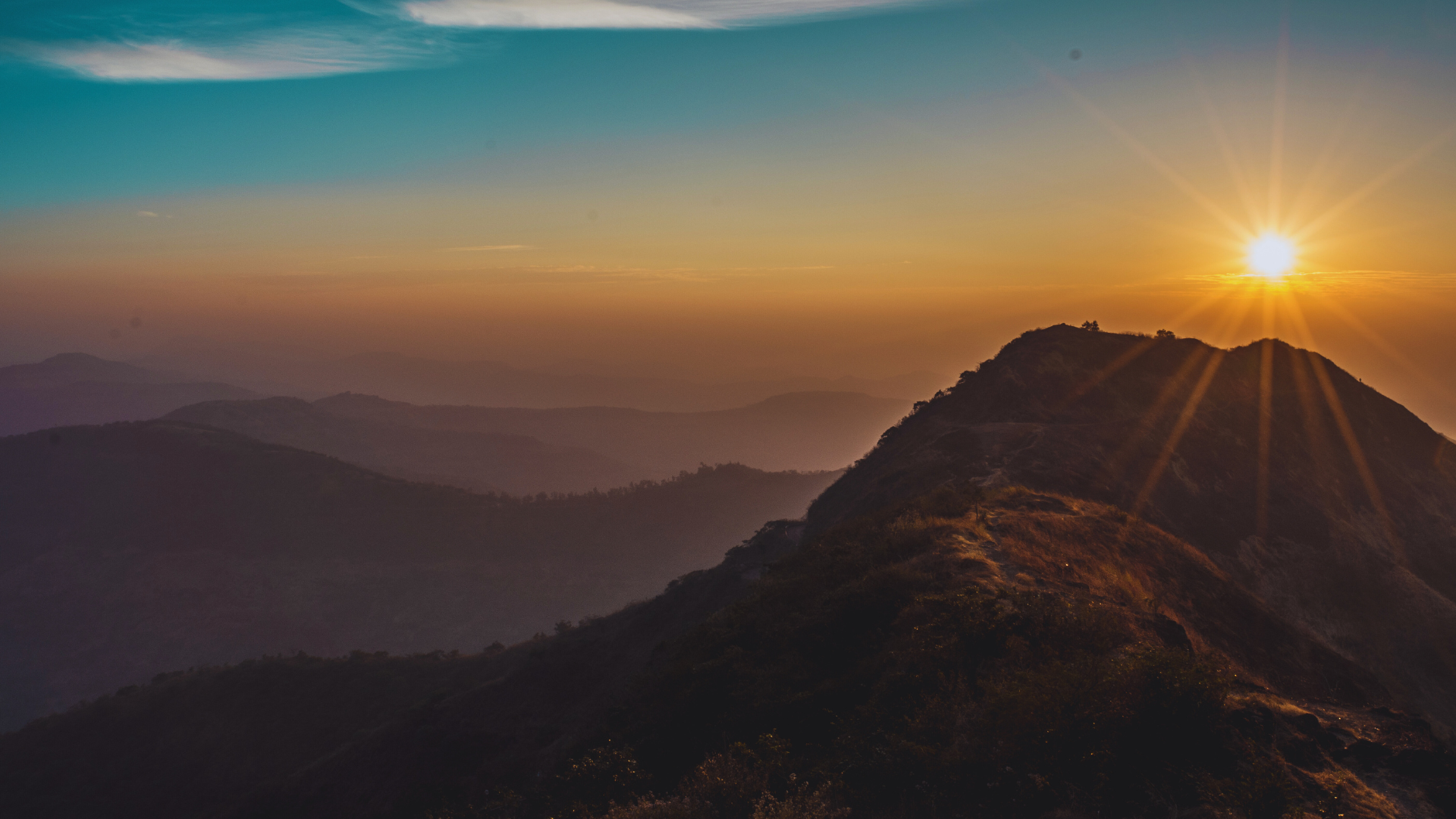
Landscape photography invites exploration of unique perspectives. This may involve experimenting with different angles or times of day. Dawn and dusk provide soft light, ideal for emphasising colours and contrasts in scenery.
Incorporating foreground elements enriches landscape images. A rock or plant can guide the viewer’s eye into the frame, creating depth. Additionally, including local architecture or wildlife can provide context, enhancing the story conveyed through the landscape.
The Vibrancy of Street Photography
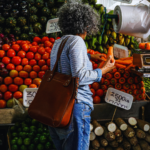
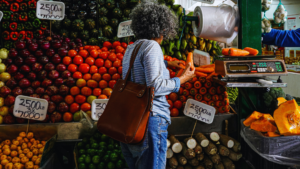
Street photography captures everyday life, transforming mundane scenes into remarkable stories. This genre thrives on spontaneity. A fleeting interaction between strangers or a local festival can produce an unforgettable image.
To excel in street photography, one should focus on composition and timing. Framing the shot with leading lines or considering the rule of thirds can improve the image’s impact. Moreover, being aware of the environment allows the photographer to anticipate and capture candid moments, revealing the vibrancy of everyday life.
Advanced Techniques and Gear
Mastering travel photography involves utilising specialised techniques and gear tailored for various scenarios. Telephoto lenses excel in capturing distant subjects, particularly wildlife, while mirrorless cameras offer cutting-edge technology and versatility for travellers.
Telephoto and Wildlife Photography
For wildlife photography, a telephoto lens is essential. It allows photographers to capture close-up images of animals without disturbing them. An ideal choice is a lens with a focal length of at least 200mm. This kind of lens helps isolate subjects and create stunning bokeh effects, making the animal stand out against a blurred background.
When photographing wildlife, patience and timing are key. Observers should anticipate animal behaviour, allowing for better composition and shot opportunities. Using a tripod stabilises the camera, especially in low light or when zoomed in at long distances. A fast autofocus system is crucial to ensure sharp images of moving subjects.
Mirrorless Cameras and Modern Tech
Mirrorless cameras have gained popularity among travel photographers due to their compact size and advanced features. They provide exceptional image quality and faster autofocus, which is beneficial for capturing spontaneous moments. Many models offer in-body image stabilisation, reducing blur from camera shake.
The electronic viewfinder (EVF) allows photographers to see real-time exposure adjustments and depth of field before taking the shot. This feature helps in achieving accurate exposure and composition. Many mirrorless cameras also support interchangeable lenses, further expanding creative possibilities. They often include Wi-Fi or Bluetooth capabilities for instant sharing of images, making them ideal for travellers.
While modern mirrorless systems offer incredible precision, many photographers still find themselves drawn to the raw, unpolished aesthetic of film. This nostalgia often leads beginners to pick up a classic throwaway camera to capture candid moments without worrying about expensive settings. However, the environmental impact and recurring costs of developing film have prompted a shift toward digital alternatives that mimic that vintage look. By utilizing specific filters and compact sensors, travelers can now achieve that same grainy, spontaneous feel while enjoying the benefits of reusable technology. This evolution allows for the preservation of that cherished retro charm without the waste associated with traditional single-use options.
Elevating Your Photographic Skills
To capture amazing travel photos, one must refine one’s photography skills continually. It’s important to understand the fundamentals of composition, lighting, and camera settings.
Practice Different Techniques:
- Try shooting at various times of day.
- Experiment with long exposures.
- Use natural frames like doorways or arches.
Unique Perspectives:
Seek out unusual angles. Climbing higher or finding lower vantage points can transform a mundane scene into an extraordinary image. For instance, photographing a bustling market from above adds depth and context.
- Lighting Matters: Good lighting can make or break a photo. The golden hour, shortly after sunrise or before sunset, is optimal for soft, flattering light.
- Post-Processing: Editing tools like Adobe Lightroom or Photoshop can enhance images significantly. Adjusting brightness, contrast, and saturation can help to bring photos to life.
Travel Photography Tips:
- Always carry your camera.
- Stay open to spontaneity—some of the best shots come when least expected.
- Know your equipment; practice using manual settings to gain better control.
By applying these techniques consistently, they can elevate their travel photography skills and create compelling visual narratives. The key lies in the willingness to learn and adapt.