Travelling abroad offers the chance to experience new cultures and connect with different communities. However, being a respectful tourist goes beyond simply visiting landmarks—it requires understanding and honouring local customs, traditions, and environments. A respectful tourist adapts their behaviour to fit cultural expectations, respects local people and places, and minimises their impact on the destination.
This means learning about the culture before arrival, behaving thoughtfully in public spaces, and supporting local businesses in a meaningful way. By approaching travel with openness and consideration, tourists can create positive experiences for both themselves and the places they explore.
Taking the time to respect local customs and environments helps travellers avoid offence and make genuine connections. This mindset shifts tourism from merely sightseeing to responsible participation in global cultures.
Understanding Local Customs
Respecting local customs begins with a clear grasp of cultural expectations around behaviour, greetings, and appropriate dressing. Travellers who adapt to these customs avoid misunderstandings and show respect for the host community.
Researching Cultural Norms
Before departing, it is essential to study the social behaviours and taboos specific to the destination. This includes understanding what gestures, speech tones, or actions might be considered offensive or inappropriate.
Practical research methods include reading travel guides, watching documentaries, and reviewing local news or blogs. Learning about dining customs, social hierarchies, and public conduct helps travellers navigate unfamiliar environments confidently.
For example, some cultures view direct eye contact as a sign of honesty, whereas others may find it disrespectful. Knowing these nuances prevents unintentional disrespect and supports positive interactions.
Greeting Etiquette
Greetings differ widely across cultures and carry significant social weight. Learning local greetings, from bowing in Japan to cheek kissing in parts of Europe, demonstrates cultural sensitivity.
It is advisable to memorise basic phrases like “hello” and “thank you” in the local language. Non-verbal cues such as handshakes, nods, or the use of titles should also be observed.
Travellers should carefully watch locals to understand appropriate personal space and physical contact during greetings. Using the right greeting form avoids embarrassing or offending hosts and lays the groundwork for respectful communication.
Dress Codes
Adhering to dress codes is especially important in religious or formal settings. Many places require modest clothing; for example, covering shoulders and knees in temples or mosques.
It is useful to pack versatile clothing that respects these requirements while remaining comfortable in the local climate. Wearing bright colours or revealing clothes might be inappropriate in conservative regions and attract negative attention.
Researching dress norms beforehand and following any posted signs or local advice ensures the traveller respects community standards. Footwear removal customs in certain homes or sacred spaces should also be observed without hesitation.
Respecting Social and Religious Practices
Respecting social and religious customs means understanding specific behaviours expected in different settings. This includes how to act in sacred spaces, recognising local traditions, and knowing appropriate conduct during public events.
Visiting Places of Worship
When visiting places of worship, it is vital to dress modestly and appropriately. Many religious sites require covered shoulders and legs, so visitors should prepare accordingly.
Removing shoes, avoiding loud conversations, and refraining from photography in restricted areas are common rules that demonstrate respect.
Visitors should also follow any instructions given by religious leaders or caretakers. Silence or speaking softly is usually expected. Showing respect for prayer times and rituals by observing quietly is important.
Observing Local Traditions
Local customs often involve behaviours that might differ from those in a visitor’s home country. To respect these traditions, research beforehand is necessary.
Examples include greeting gestures, avoiding physical contact with strangers, or specific eating etiquette. For instance, in some cultures, using the right hand for handing objects is important.
Being patient and attentive when participating in or watching traditional ceremonies helps show genuine respect. If unsure about certain practices, it is better to observe discreetly than to interrupt.
Attending Public Events
At public events such as festivals, parades, or community gatherings, tourists should respect the event’s purpose and tone.
Following dress codes or seating arrangements can be crucial, especially if the event has cultural or religious significance.
Respecting crowd behaviour and avoiding loud or disruptive actions helps maintain the event’s integrity. Taking photographs should be done only if it is permitted, and people’s privacy must be considered.
Listening to announcements or guides and following posted rules contributes to a smooth experience for all attendees.
Practising Polite Communication
Effective communication is essential to show respect and build positive interactions with locals. Learning simple phrases, understanding body language, and asking permission can prevent misunderstandings and demonstrate cultural sensitivity.
Learning Basic Local Phrases
Knowing basic phrases in the local language creates goodwill and shows effort. Greetings, “please,” “thank you,” and “excuse me” are fundamental. These small expressions can make a significant difference in how a tourist is received.
It is helpful to learn key phrases specific to the context, such as ordering food, asking for directions, or requesting help. Pronunciation matters, but locals generally appreciate the attempt over perfection.
Using language apps or phrasebooks before or during the trip equips travellers with practical vocabulary. This approach promotes smoother interactions and avoids appearing dismissive or entitled.
Non-Verbal Communication
Body language varies widely between cultures and can convey respect—or disrespect—without words. Simple actions like eye contact, gestures, and personal space should be adapted thoughtfully.
For example, in some cultures, direct eye contact is a sign of confidence, while in others, it might be seen as rude. Similarly, certain hand gestures can have different meanings or be offensive.
Tourists should observe local behaviours carefully and mirror appropriate non-verbal cues. Smiling politely, nodding when listening, and respecting personal space indicate attentiveness and respect.
Asking for Permission
Seeking permission before taking photos, entering private or religious spaces, or joining local events is crucial. This practice respects personal privacy and cultural sensitivities.
Before photographing people, always ask politely. Some communities consider this intrusive or disrespectful without consent. Likewise, certain areas may have restrictions on access, which must be honoured.
Clear and respectful requests show awareness of local customs and boundaries. When in doubt, it is better to ask than assume permission, ensuring tourism does not cross cultural lines.
Responsible Behaviour in Public Spaces
Respecting others and local customs is essential when visiting public areas abroad. Paying attention to how people interact, the noise they make, and what is considered appropriate behaviour ensures a smoother experience and prevents misunderstandings.
Queueing and Personal Space
Queueing practices vary worldwide, but it’s important to respect local customs and wait patiently. Cutting in line or pushing is generally offensive and can create tension. When in doubt, observe how locals behave or ask politely.
Personal space expectations differ between cultures. In many places, maintaining a small but respectful distance when standing or walking is customary. Invading this space might make others uncomfortable, especially in crowded areas such as markets or public transport.
Using polite gestures—like offering your place in line to someone who seems uncertain—can show respect and awareness. Being mindful of your body language and facial expressions also helps avoid appearing confrontational or impatient.
Noise Levels and Public Conduct
Loud conversations, shouting, or playing music are often seen as disrespectful in public. Many cultures appreciate quieter, more subdued behaviour in shared spaces like parks, streets, or cafés.
Avoid raising your voice unnecessarily or making disruptive noises, especially near residential areas, religious sites, or museums. This shows respect for the local environment and the people living there.
Public conduct also includes following the rules regarding littering, smoking, and using shared resources fairly. For instance, seating areas or transport should be used considerately, without monopolising space or leaving waste behind.
Photography Etiquette
Taking photos in public can be sensitive. Always ask permission before photographing people, especially children or those engaged in religious or cultural activities. In some regions, photography may be forbidden altogether in certain locations such as temples or government buildings.
Respect signage and local requests about where photos are allowed. Using flash or intrusive equipment can disturb others and cause offence.
When sharing images online, consider privacy and cultural sensitivity. Avoid posting photos that may embarrass or exploit subjects. Responsible photography respects both the people and places captured.
Supporting Local Communities
Supporting local communities means making thoughtful choices that boost the economy without harming cultural values. It involves careful selection of tours, products, and businesses that directly benefit residents and respect their way of life.
Choosing Ethical Tours
Tourists should seek tours that are led by local guides or companies directly connected to the community. This approach ensures that profits stay within the area and that the experiences shown are authentic and respectful.
Ethical tours avoid harmful activities like wildlife exploitation or visits to sites that damage cultural heritage. They often support conservation or social projects, adding positive value to the destination.
When booking, travellers should check reviews and certifications that highlight responsible practices. Small group tours typically have less environmental and social impact, making them a better choice for sustainability and respect.
Buying Local Products
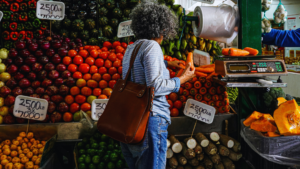
Purchasing goods made by local artisans or producers helps sustain traditional crafts and provides income to families. It is important to focus on items created and sold within the community rather than imported or mass-produced products.
Visitors can find local markets, cooperatives, or shops where products have clear origins. Asking questions about the production process supports transparency and encourages fair trade.
Avoiding souvenirs from endangered species or culturally sensitive items protects local heritage. Simple phrases like “Where is this made?” or “Who made this?” can guide responsible buying.
Respecting Local Businesses
Respecting local businesses means choosing family-run restaurants, shops, and services instead of global chains or tourist traps. Doing so keeps money circulating within the community and fosters authentic interactions.
Patrons should be mindful of local customs, such as dress codes, tipping practices, and business hours. Showing politeness and patience helps build trust and goodwill.
Booking accommodations operated by locals or small enterprises also supports the community economically. These businesses often invest profits back into their neighbourhoods, strengthening the local social fabric.
Environmental Considerations While Travelling
Travel impacts local environments in many ways. Tourists can reduce damage by managing waste carefully and respecting wildlife habitats.
Minimising Waste and Litter
Tourists should aim to produce as little waste as possible. Carrying a reusable water bottle and avoiding single-use plastics helps reduce litter on streets and in natural areas. Properly disposing of waste in designated bins prevents pollution and protects wildlife.
Choosing eco-friendly accommodation that implements recycling programmes supports sustainable practices. When shopping or eating out, opting for products with minimal packaging further cuts down on waste. Reducing food waste by only ordering what can be eaten is also beneficial.
Awareness of local waste management systems helps prevent unintentional littering. Responsible tourists keep their surroundings clean and encourage others to do the same.
Responsible Wildlife Interaction
Interacting with wildlife requires respect for animals and their habitats. Tourists must not feed wild animals, as this can disrupt natural feeding habits and lead to dependency on humans.
Observing animals from a safe distance avoids causing stress or harm. Using zoom lenses instead of approaching too closely maintains a safe boundary. Avoid disturbing nests, dens, or breeding areas.
Supporting wildlife sanctuaries and conservation projects that prioritise animal welfare is more responsible than participating in attractions that exploit animals. Choosing tours led by Indigenous communities or trusted organisations ensures ethical treatment is maintained.
Respecting local guidelines on wildlife interaction keeps ecosystems balanced and protects biodiversity.
Handling Misunderstandings Appropriately
When travelling, misunderstandings are sometimes unavoidable. How a traveller responds can shape the interaction and preserve respect between both parties. Being ready to acknowledge a mistake and ask for advice helps navigate these tricky moments effectively.
Apologising When Offending
If a traveller accidentally offends a local, a timely and sincere apology is key. This shows respect and a willingness to correct the mistake. Saying a simple phrase like “I’m sorry” in the local language can have a positive effect.
It is important to remain calm and avoid becoming defensive. A traveller should listen carefully to what caused offence and express genuine regret. Non-verbal cues such as a slight bow, nod, or clasped hands can reinforce the apology in many cultures.
Avoid explaining or justifying the action immediately, as this may seem dismissive. Instead, focus on the impact of the behaviour and commit to being more mindful going forward.
Seeking Guidance From Locals
When unsure about customs or after making a social error, asking locals for guidance can prevent future misunderstandings. Most people appreciate it when visitors show respect and make an effort to understand.
Travellers can approach trusted individuals such as hosts, shopkeepers, or guides. Questions should be clear and polite, for example:
| Question | Purpose |
| “Could you please explain?” | Clarifies local customs |
| “What is the best way to…” | Seeks advice on appropriate behaviour |
Using this approach encourages positive interactions and deepens cultural understanding. It also demonstrates humility and openness, essential traits for respectful travel.
Promoting a Positive Image of Tourists
Tourists shape how locals perceive visitors and their culture. It is important for travellers to be mindful of their behaviour and interactions during their trip.
Respecting local customs and traditions demonstrates cultural sensitivity. Simple actions like learning common greetings or dressing appropriately help build goodwill.
Supporting local businesses is another way visitors can contribute positively. Choosing to buy from local markets or dine at family-owned restaurants benefits the community economically.
Being environmentally conscious reflects well on tourists. Avoiding litter, conserving water, and respecting wildlife show responsibility and care for the destination.
Clear communication and politeness also enhance the tourist’s image. Speaking in a respectful tone and being patient with language barriers makes exchanges smoother.
Key behaviours that promote a positive tourist image:
| Behaviour | Importance |
| Respect local customs | Shows cultural appreciation |
| Support the local economy | Encourages community sustainability |
| Practice eco-friendly habits | Minimises environmental impact |
| Communicate politely | Facilitates better understanding |
By following these guidelines, tourists can help create a welcoming atmosphere and foster mutual respect between visitors and hosts.